Kabu hasn't said much since the curse took hold. He knows exactly whose fault it is, and carrying a turnip for a head everywhere he goes isn't letting him forget it. When Kinoko, a cheerful old stranger with a mushroom cap and a habit of turning up wherever a road splits, mentions a corn demon two towns over, it's less a lead than a shove back onto his feet, and he and Kabocha take it.
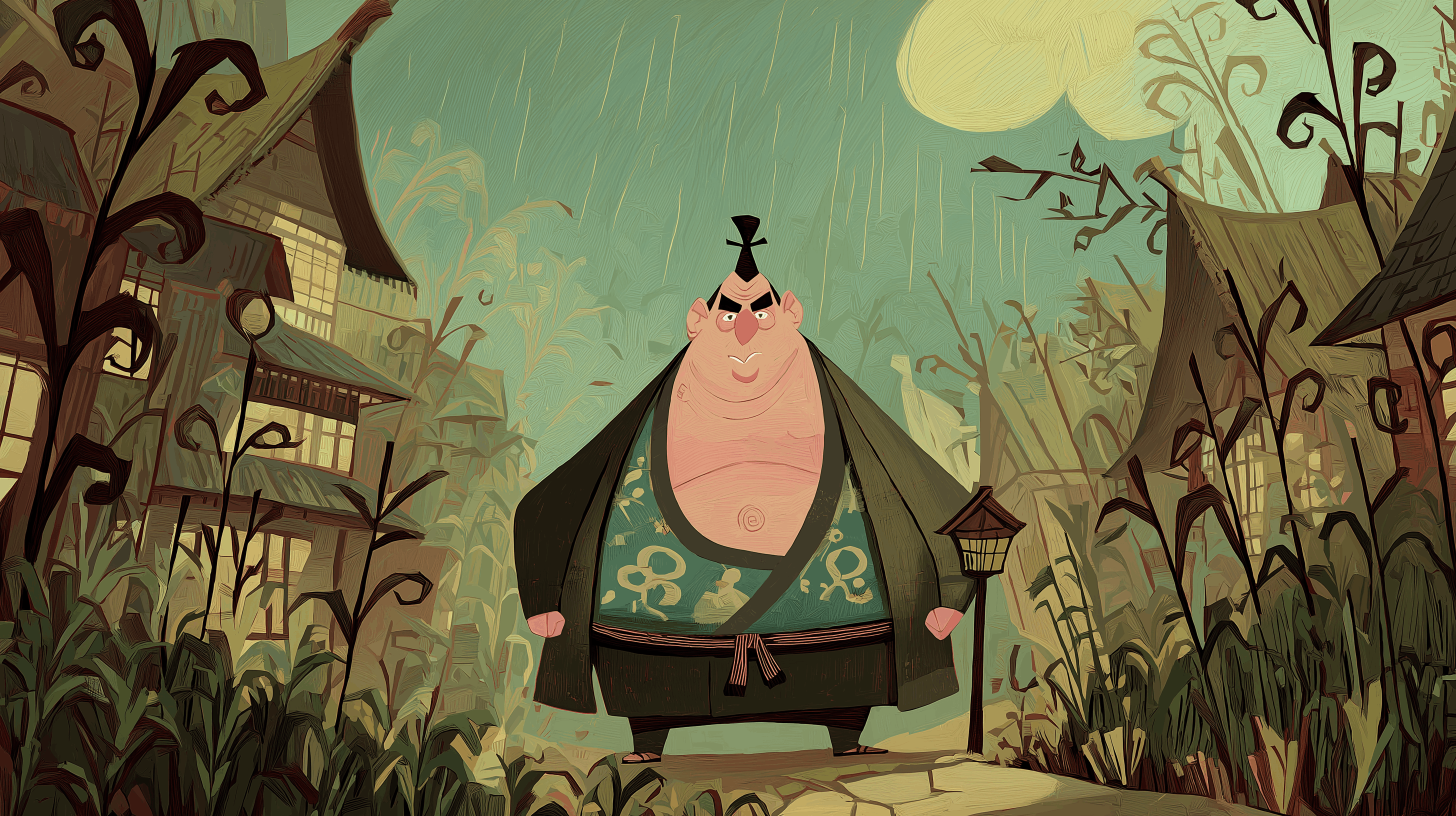
Mazekane looks like the last place that should need saving. Every rooftop is finished in real gold leaf, and the man who runs the place, a mayor named Morokoshi, greets them with the kind of warmth that makes you forget to ask where all that gold actually came from. Terrible business, he says. He's sure the two of them can handle it.
Watching all of this from a second-floor window, notebook open, is a local alchemist named Ume, who has already worked out why the demon keeps getting back up after every hit. She tells them so, plainly. Kabu is too busy being embarrassed about his turnip head to really hear her, and Kabocha's already decided the answer is to hit it harder next time. Neither of them takes what she's just handed them. Ume isn't wounded by that in any way she'd admit to; she just goes back to being delighted by Kabu instead, whose turnip head fascinates her, and pokes at the mechanics of it with the kind of open curiosity most people are too polite to show him. It needles him at first. It's also the first time since the curse that anyone's found something to enjoy about it.
The first fight goes badly. Kabocha, trained since childhood in her father's forge, reads the demon's rhythm and lands most of what she throws. Kabu, on the other hand, swings his scythe like someone who's read about fighting more than he's actually done it: he connects rarely, but gets back up every time he's knocked down. Partway through, Kabocha catches sight of a glowing seed embedded in the demon's chest. They retreat bruised, and the mayor shrugs the whole thing off as bad luck, more concerned with the harvest tax than the monster currently wrecking his own fields.
Ume finds Kabu afterward, dejected and annoyed with himself for not becoming a hero overnight. She sings, cheerfully, that a mistake is just an experiment, and every fizzled potion of hers has taught her more than a clean success ever could. She's singing about the fight. She's also singing about his turnip head, and Kabu, for the first time in the show, manages to laugh about it.
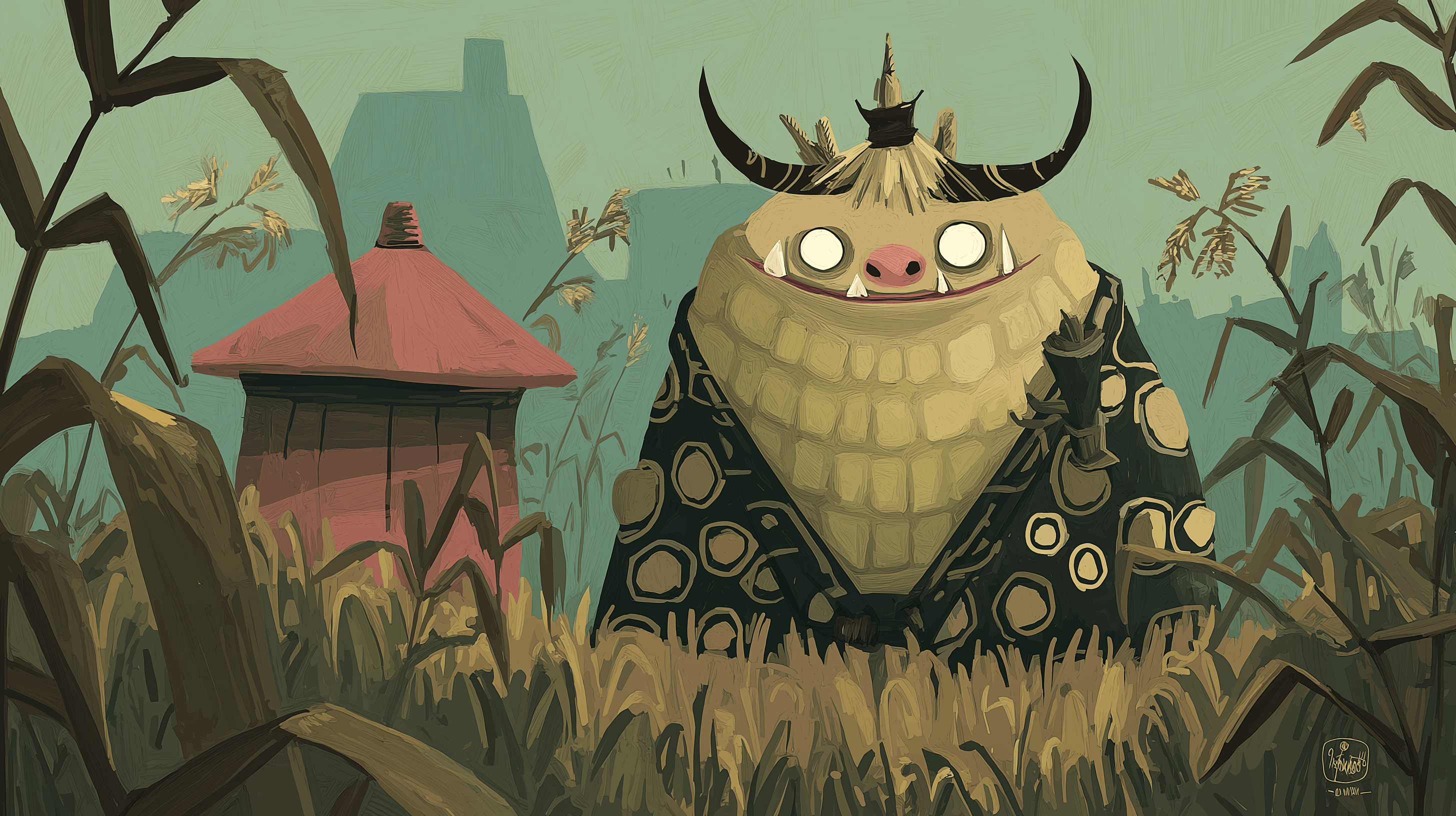
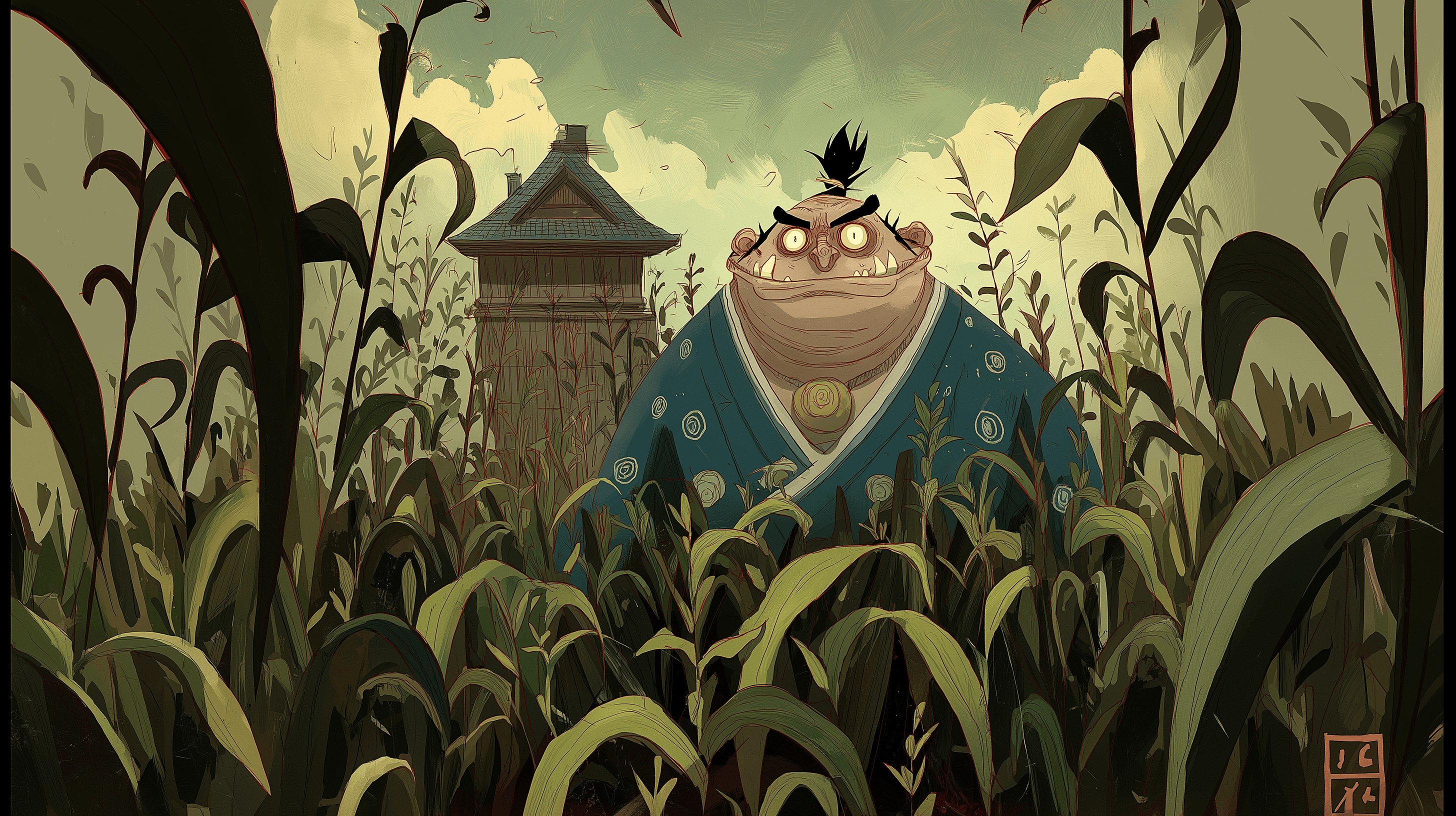
They go back in with a real strategy this time, and mid-fight Kabocha gets close enough to try pulling the glowing seed straight out of the demon's chest with her bare hand. It burns her, and doesn't come free. A splinter of it breaks off under her skin, and she closes her fist around the sting and says nothing to anyone. Kabu finishes the job clean, cutting the seed loose with his scythe, and the demon collapses mid-motion into Morokoshi himself, caught between the shape of a monster and the shape of the man who's been taxing his own hungry town while his silos stayed full.
Afterward, the raw seed sits on the ground where it fell, giving off a faint, unpleasant glow. Kabu picks it up anyway, bracing for something. Nothing happens. They chalk it up to the curse and the seed sharing the same magic, though it's clear nobody actually understands what they're dealing with, or how dangerous these seeds really are.
Ume stays in Mazekane. Her books and her lab bench are here, and the road doesn't have either yet. She hands Kabu a seed pouch she's already woven from the corn demon's own husk, on the theory that cursed material won't react against more of its own kind. Kabu and Kabocha head off and find Kinoko waiting at the edge of town, already pointing them toward wherever comes next.
OPEN THE BEAT SHEET ▼
- 1Kinoko materializes at the edge of the road, mentions a corn demon two towns over, and doesn't wait around for questions. Kabu, who's said almost nothing since the curse took hold, takes it as reason enough to get moving again.
- 2Arrival in Mazekane: every rooftop is gilded in real gold leaf, and the mayor, Morokoshi, greets them with a warmth that makes it easy to forget where all that gold came from. He's sorry about the demon. He's sure they can handle it.
- 3A local alchemist named Ume has been watching the demon from a second-floor window and has already worked out why it keeps getting back up. She's more taken with Kabu's turnip head than with his embarrassment about it, and pokes at the mechanics of it with open curiosity. It's the first time since the curse anyone's found something to enjoy about it.
- 4First fight, first loss: Kabocha, trained since childhood in her father's forge, reads the demon's rhythm and lands most of what she throws. Kabu swings his scythe like someone who's read about fighting more than he's done it. Partway through, Kabocha spots a glowing seed embedded in the demon's chest. They retreat bruised.
- 5TURNING POINT — Mistakes Have the Power: Ume finds Kabu afterward, annoyed with himself for not becoming a hero overnight, and sings that a mistake is just an experiment. She's singing about the fight and about his turnip head both, and Kabu laughs about it for the first time in the show.
- 6CRISIS — Second fight: Kabocha gets close enough to pull the glowing seed straight out of the demon's chest with her bare hand. It burns her, and doesn't come free. A splinter breaks off under her skin, and she closes her fist around the sting and says nothing to anyone.
- 7TURNING POINT — Kabu cuts the seed loose clean with his scythe, and the demon collapses mid-motion into Morokoshi himself, caught between the shape of a monster and the shape of the man who's been taxing his own hungry town while his silos stayed full.
- 8The raw seed sits on the ground where it fell, still giving off a faint glow. Kabu picks it up anyway. Nothing happens. Nobody can say why, though they chalk it up to the curse and the seed sharing the same magic.
- 9Ume hands Kabu a seed pouch she's already woven from the demon's own husk, on the theory that cursed material won't react against more of its own kind. She stays in Mazekane. Her books and her lab bench are here, and the road doesn't have either yet.
- 10Kabu and Kabocha find Kinoko waiting at the edge of town, already pointing them toward wherever comes next.
SUPPORTING CASTMorokoshi▼
ART DIRECTION — Mazekane's merchant district at night: buildings gilded with gold leaf catching moonlight, the corn demon looming above the skyline with a glowing kernel at its chest. In the foreground, Kabu and Kabocha crouch behind a merchant stall while Ume watches from a second-floor window, journal open, completely absorbed.
Kanazawa has a local nickname — 'little Kyoto' — that it has earned in the most literal way possible. Most of Japan's major cities were bombed during WWII and rebuilt from concrete. Kanazawa wasn't touched, which means its samurai quarters, geisha districts, and Edo-period merchant houses are still standing and still in use. You can walk between all three in an afternoon.
The craft Kanazawa is most famous for is gold leaf — 99% of Japan's output, hammered into sheets so thin they're translucent, applied to lacquerware, temple columns, ceramics, and yes, ice cream cones. The Maeda lords built the industry deliberately, pouring generations of agricultural surplus into making their city the cultural rival of Kyoto and Edo.
That last part is worth noting. The gold leaf — the thing Kanazawa shows the world — was built on rice. The shimmer was real. So was what it was covering.